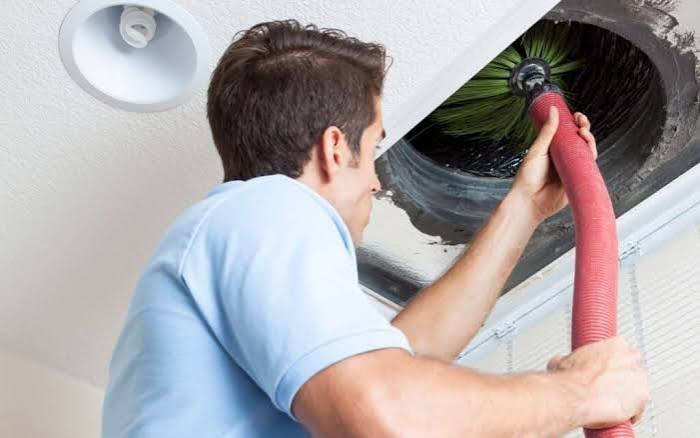
Most homeowners think about their heating and cooling system when temperatures become uncomfortable, but few consider what is happening inside the air ducts. These hidden passages distribute conditioned air throughout your home, and their condition can have a noticeable impact on comfort, indoor air quality, and energy efficiency. If you’ve ever wondered whether is duct cleaning a waste of money, understanding the role your ductwork plays is a good place to start.
Dirty air ducts don’t automatically mean your HVAC system is failing, but excessive dust, debris, or contamination can contribute to uneven airflow, reduced efficiency, and unnecessary strain on your equipment. Knowing when dirty ducts become a problem helps you make informed maintenance decisions.
Why Air Ducts Matter More Than You Think
Your home’s ductwork acts as the delivery system for heated and cooled air. Every time your HVAC system runs, air travels through this network before reaching each room.
Over time, dust, pet hair, pollen, and other airborne particles can settle inside the ducts. While a light layer of dust is generally normal, larger accumulations or blockages may affect airflow and make your HVAC system work harder than necessary.
Well-maintained ducts help ensure:
- Consistent temperatures throughout your home
- Better airflow in every room
- Improved HVAC efficiency
- Reduced wear on heating and cooling equipment
- Cleaner indoor air circulation
How Dirty Air Ducts Affect Home Comfort
One of the first signs of dirty ductwork is inconsistent comfort from room to room.
If certain areas always seem warmer or cooler than others, restricted airflow may be contributing to the problem. Dust buildup inside ducts can reduce the amount of conditioned air reaching vents, making it harder to maintain an even temperature.
You may also notice:
- Weak airflow from supply vents
- Rooms that take longer to heat or cool
- More frequent HVAC cycling
- Increased dust settling on furniture shortly after cleaning
While these symptoms can have multiple causes, dirty ductwork is one factor worth investigating during routine HVAC maintenance.
The Connection Between Dirty Ducts and Energy Efficiency
Your HVAC system is designed to move air efficiently through clean ductwork. When airflow becomes restricted by accumulated debris or blockages, the system must work harder to deliver the same level of heating or cooling.
That additional effort can lead to:
- Longer operating times
- Increased energy consumption
- Greater wear on system components
- Higher utility bills over time
It’s important to remember that duct cleanliness is only one part of overall HVAC efficiency. Dirty air filters, leaking ducts, aging equipment, and poor insulation can also reduce performance.
Indoor Air Quality and Air Ducts
Many homeowners worry that dirty air ducts automatically lead to poor indoor air quality. The reality is more balanced.
Small amounts of household dust inside ductwork are common and don’t necessarily create health problems. However, excessive debris, moisture inside ducts, mould growth, or pest infestations can contribute to indoor air quality concerns and should be addressed promptly.
Homes may benefit from duct inspection if occupants notice:
- Persistent musty odors
- Visible mold around vents
- Excessive dust despite regular cleaning
- Allergy symptoms that worsen indoors
- Evidence of rodents or insects in ductwork
A professional inspection can help determine whether duct cleaning or other repairs are appropriate.
Common Causes of Dirty Air Ducts
Several everyday factors contribute to debris buildup inside duct systems.
Some of the most common include:
- Infrequent air filter replacement
- Home renovation or remodeling projects
- Pet hair and dander
- High outdoor pollen levels
- Construction dust
- Smoke residue from fireplaces or previous occupants
Replacing HVAC filters on schedule is one of the easiest ways to reduce the amount of debris entering your duct system.
Signs It May Be Time for a Duct Inspection
Not every home requires regular duct cleaning, but certain warning signs suggest it’s worth having your system evaluated.
Consider scheduling an inspection if you notice:
- Visible dust blowing from supply vents
- Unusual odors when the HVAC system runs
- Uneven heating or cooling
- Recent major home renovations
- Mold growth inside accessible ductwork
- Pest activity within the duct system
- Excessive dust accumulation throughout the home
A qualified HVAC professional can determine whether cleaning, sealing, or repairs are necessary.
Common Misconceptions About Duct Cleaning
Air duct cleaning is often surrounded by conflicting opinions. Some people believe every home needs frequent cleaning, while others assume it’s never worthwhile.
The truth lies somewhere in between.
Routine duct cleaning is not considered necessary for every household. In many homes, replacing filters regularly and maintaining the HVAC system provides sufficient protection. However, when ducts contain significant debris, mold, or contamination, professional cleaning may improve airflow and system performance.
Understanding the circumstances where cleaning is beneficial helps answer the common question of whether is duct cleaning a waste of money. The value depends on the actual condition of the ductwork rather than a one-size-fits-all recommendation.
Tips for Keeping Air Ducts Cleaner
Preventive maintenance can reduce dust buildup and help your HVAC system operate efficiently.
Good habits include:
- Replace HVAC filters according to the manufacturer’s recommendations.
- Keep supply and return vents unobstructed.
- Vacuum around air vents regularly.
- Schedule routine HVAC maintenance.
- Seal duct leaks if they’re discovered during inspections.
- Maintain appropriate indoor humidity levels.
These simple steps support both system efficiency and indoor comfort without requiring frequent duct cleaning.
Conclusion
Dirty air ducts can affect your home’s comfort, airflow, and HVAC efficiency when debris buildup becomes significant. While a small amount of dust inside ductwork is normal, excessive contamination can restrict airflow, increase system workload, and contribute to uneven temperatures or indoor air quality concerns.
The best approach is regular HVAC maintenance combined with professional inspections when warning signs appear. Rather than assuming every home needs duct cleaning or that it never does—evaluate your system based on its condition. A well-maintained HVAC system and clean airflow pathways help create a more comfortable, efficient home throughout the year.