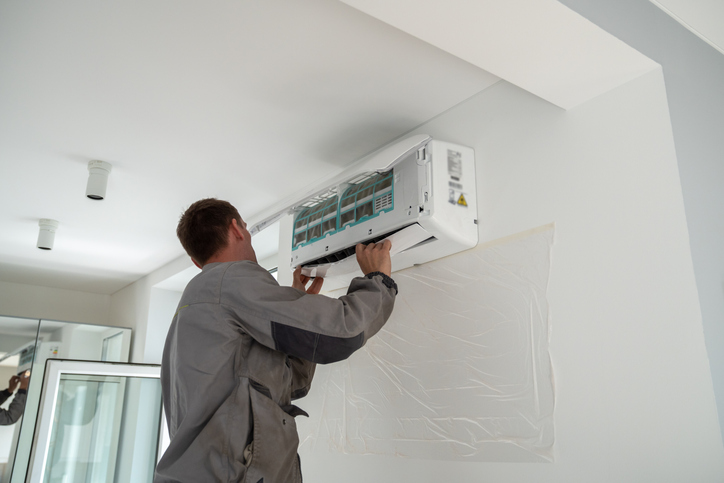
An air conditioner is one of the hardest-working systems in your home, especially during the hottest months of the year. When it’s running efficiently, it keeps your indoor environment comfortable while using energy responsibly. However, like any mechanical system, an air conditioner gradually loses efficiency as it ages. This decline doesn’t usually happen overnight. Instead, it develops slowly, often going unnoticed until higher energy bills or reduced cooling performance become impossible to ignore.
If your system no longer cools your home as effectively as it once did, professional air conditioning repair Simi Valley services can help identify the underlying cause. In many cases, addressing small issues early can restore performance, improve efficiency, and prevent more expensive repairs in the future.
Normal Wear and Tear Reduces Performance
Every time your air conditioner runs, its components experience a small amount of wear. Over the years, parts such as the compressor, fan motor, blower assembly, and electrical connections gradually lose efficiency through regular operation.
As these components age, they require more effort to perform the same tasks they handled easily when the system was new. The result is longer cooling cycles, greater energy consumption, and increased strain on the equipment. While routine maintenance can slow this process, it cannot completely prevent the natural effects of aging.
Dirty Air Filters Restrict Airflow
One of the simplest yet most common reasons an air conditioner loses efficiency is a clogged air filter. Filters are designed to capture dust, pollen, and other airborne particles before they circulate through your home. As debris accumulates, airflow becomes restricted.
Limited airflow forces the system to work harder to distribute cool air throughout the house. This not only increases energy usage but can also place unnecessary stress on important components such as the blower motor. Replacing or cleaning filters on a regular schedule helps maintain proper airflow and supports efficient operation.
Dirty Coils Make Cooling More Difficult
Your air conditioner relies on both evaporator and condenser coils to transfer heat effectively. Over time, these coils collect dirt, dust, and outdoor debris that interfere with the heat exchange process.
When the coils become dirty, the system cannot remove heat as efficiently, causing it to run longer to reach the desired indoor temperature. Longer operating cycles increase electricity consumption while adding extra wear to the compressor and other mechanical parts.
Keeping the coils clean through routine maintenance helps preserve cooling performance and energy efficiency.
Refrigerant Problems Reduce Cooling Capacity
Refrigerants play a vital role in your air conditioner’s ability to cool your home. Unlike fuel, refrigerant doesn’t get “used up” during normal operation. If refrigerant levels become low, it’s usually the result of a leak somewhere within the system.
Low refrigerant reduces cooling capacity, making it harder for the equipment to maintain comfortable temperatures. The air conditioner often runs longer while producing less effective cooling, leading to higher utility costs and additional stress on the compressor.
Because refrigerant issues require specialized equipment and training, they should always be diagnosed and repaired by qualified HVAC professionals.
Several Small Issues Can Add Up
Sometimes, efficiency doesn’t decline because of one major problem. Instead, multiple minor issues combine to reduce overall system performance.
Common contributors include:
- Clogged or aging air filters
- Dirty evaporator or condenser coils
- Refrigerant leaks
- Blocked supply or return vents
- Worn electrical components
- An aging thermostat that no longer reads temperatures accurately
Although each issue may seem relatively minor on its own, together they can significantly increase energy consumption and reduce indoor comfort.
Poor Maintenance Shortens Equipment Life
Regular maintenance is one of the most effective ways to preserve an air conditioner’s efficiency. During routine inspections, HVAC professionals clean components, inspect electrical connections, check refrigerant levels, lubricate moving parts, and identify developing problems before they become serious.
Without preventive maintenance, small issues often remain unnoticed until they begin affecting system performance. Dirt accumulates, parts wear faster, and efficiency gradually declines. Scheduling regular service not only helps lower energy costs but can also extend the overall lifespan of the equipment.
Aging Thermostats Can Affect Efficiency
Many homeowners focus on the air conditioner itself while overlooking the thermostat. An older or malfunctioning thermostat may provide inaccurate temperature readings or fail to communicate properly with the HVAC system.
As a result, the air conditioner may run longer than necessary or cycle on and off too frequently. Both situations reduce efficiency and increase wear on the equipment.
Upgrading to a modern programmable or smart thermostat can improve temperature control while helping reduce unnecessary energy use.
When It May Be Time to Consider Replacement
Although many efficiency problems can be corrected through maintenance or repairs, every air conditioner eventually reaches the end of its practical service life. If the system requires frequent repairs, struggles to cool your home consistently, and continues to produce high utility bills despite regular maintenance, replacement may become the more cost-effective solution.
Modern air conditioners are designed with significantly improved energy efficiency standards compared to older models. Replacing outdated equipment can provide more consistent cooling, quieter operation, improved humidity control, and lower monthly operating costs.
A professional inspection can help determine whether repairing the existing system or investing in a replacement offers the greatest long-term value.
Conclusion
It’s natural for an air conditioner to lose some efficiency over time, but understanding the reasons behind that decline allows homeowners to take action before small problems become expensive ones. Dirty filters, clogged coils, refrigerant issues, aging components, poor maintenance, and thermostat problems can all reduce cooling performance while increasing energy consumption.
Routine maintenance and timely repairs play an important role in preserving efficiency and extending the life of your system. By addressing problems early and paying attention to changes in performance, homeowners can enjoy greater comfort, lower operating costs, and more reliable cooling throughout the hottest months of the year.