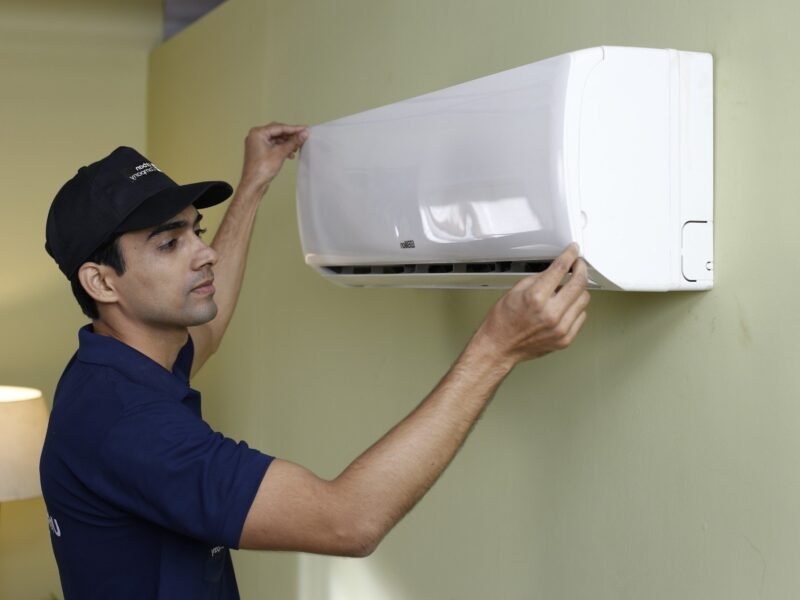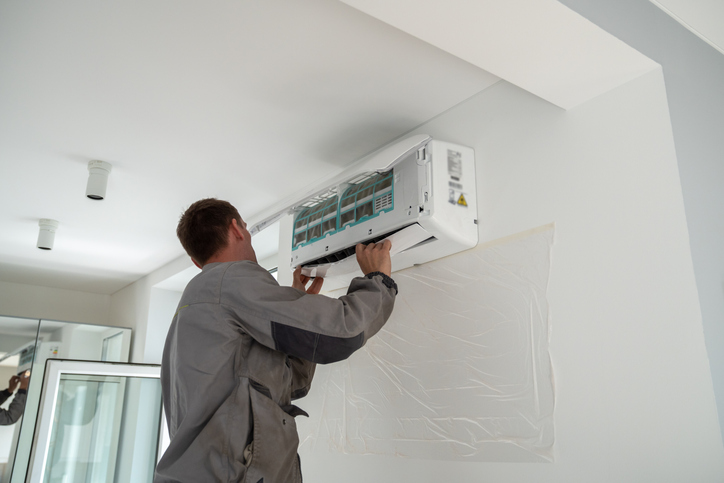
A poorly installed air conditioner can quietly increase your energy bills month after month. Discover how professional AC installation improves efficiency, reduces unnecessary power usage, extends system lifespan, and helps homeowners save money while maintaining reliable indoor comfort throughout the year.
Rising energy bills have become a major concern for homeowners, especially during long summer seasons when air conditioning systems work harder to keep indoor spaces comfortable. Many people focus on upgrading appliances or improving insulation, but one important factor is often overlooked: the quality of the AC installation itself.
Homeowners investing in professional air conditioning services often experience noticeable improvements in cooling performance, indoor comfort, and monthly energy savings. Choosing expert air conditioner installation in Olive Branch, MS can help ensure the system operates efficiently from day one while supporting lower long-term energy costs.
Why Proper Installation Makes Such a Big Difference
Many homeowners assume that buying a high-efficiency air conditioner automatically guarantees lower utility bills. In reality, installation quality plays a critical role in how efficiently the system operates over time.
An improperly installed unit may suffer from airflow restrictions, refrigerant imbalances, poor drainage, or faulty duct connections. These issues force the system to work harder than necessary, increasing electricity consumption and placing undue strain on critical components.
Studies from the HVAC industry suggest that poor installation practices can reduce system efficiency by as much as 30 percent. That means homeowners may incur significantly higher cooling costs every month simply because the installation was not completed correctly.
Professional installation ensures the entire system is configured according to the manufacturer’s specifications and the property’s specific cooling needs.
Sealed Ductwork Helps Reduce Utility Bills
Leaky duct systems are one of the most common causes of hidden energy waste in residential properties. When cooled air escapes through gaps or poorly connected ducts, the air conditioner must work harder to maintain indoor temperatures.
During professional air conditioner installation in Olive Branch, MS, technicians often inspect ductwork for leaks, damaged sections, or poor insulation. Properly sealed ducts help ensure conditioned air reaches the intended living spaces instead of escaping into attics or crawl spaces.
Reducing air leakage helps lower energy usage while improving cooling consistency throughout the home.
Correct System Sizing Prevents Energy Waste
One of the most important parts of AC installation is selecting the right system size for the home. Larger units are not always better, and smaller systems are not always more economical.
An oversized air conditioner cools the home too quickly, causing the system to switch on and off repeatedly. This process, known as short cycling, wastes energy and increases wear on the compressor. It can also leave excess humidity indoors because the system does not run long enough to properly remove moisture from the air.
An undersized system creates the opposite problem. It struggles to cool the space effectively and often runs continuously, consuming excessive energy while still failing to maintain comfortable temperatures. Professional HVAC technicians calculate cooling loads carefully by considering factors such as home size, insulation quality, window placement, ceiling height, and local climate conditions. Proper sizing helps the system operate efficiently without unnecessary strain.
Proper Airflow Improves Cooling Efficiency
Efficient airflow is essential for keeping energy costs under control. Even a high-performance AC system can waste energy if cool air cannot circulate properly throughout the property.
Professional installers inspect ductwork design, vent placement, and airflow balance during installation. When airflow is properly managed, the system can distribute cool air evenly and maintain stable indoor temperatures more efficiently.
Restricted airflow forces the system to work harder and longer, increasing electricity consumption. Proper airflow reduces strain on the equipment while improving overall comfort inside the home.
Refrigerant Levels Affect Energy Performance
Correct refrigerant charging is another critical factor in energy-efficient air conditioning performance. Too much or too little refrigerant can reduce cooling efficiency and increase operating costs.
Low refrigerant levels force the system to run longer cooling cycles, consuming more electricity while delivering weaker performance. Excess refrigerant can create pressure problems that damage internal components over time.
Experienced technicians use precise measurements during installation to ensure refrigerant levels match manufacturer requirements. This allows the system to cool effectively while operating at maximum efficiency.
Smart Technology Increases Long-Term Savings
Modern AC systems often include smart thermostat compatibility, which can further improve energy efficiency. Smart thermostats allow homeowners to automate cooling schedules based on occupancy and daily routines. The system can reduce cooling output when the house is empty and restore comfortable temperatures before occupants return.
This level of automation helps prevent unnecessary energy use without sacrificing comfort. When combined with professional installation, smart controls can contribute to substantial long-term savings.
Proper Installation Helps Avoid Costly Repairs
Poor installation not only affects monthly energy bills. It can also increase the likelihood of expensive repairs over time. Improper wiring, airflow issues, drainage problems, and refrigerant imbalances place additional stress on system components. Compressors, blower motors, and fans often wear out faster when the system operates inefficiently.
A professionally installed AC unit experiences less strain during normal operation, which helps reduce repair frequency and extend equipment lifespan. Lower maintenance costs contribute significantly to long-term financial savings.
Improved Comfort Without Excessive Energy Use
Energy efficiency is not simply about reducing utility bills. It also affects the overall comfort of the home. A properly installed air conditioning system maintains consistent temperatures, controls humidity levels more effectively, and eliminates uneven cooling between rooms. Homeow ners often notice quieter operation and faster cooling performance after replacing older or improperly installed systems. Efficient cooling creates a more comfortable indoor environment while using less electricity throughout the year.
Wrapping Up
Proper AC installation plays a major role in determining how efficiently a cooling system performs over time. From correct sizing and balanced airflow to refrigerant accuracy and sealed ductwork, every part of the installation process affects energy consumption and long-term operating costs.
Homeowners who invest in professional installation often benefit from lower energy bills, fewer repairs, improved comfort, and longer equipment lifespan. Over time, these advantages can lead to significant financial savings while creating a more reliable and energy-efficient home environment.